

Currently Empty: £0.00


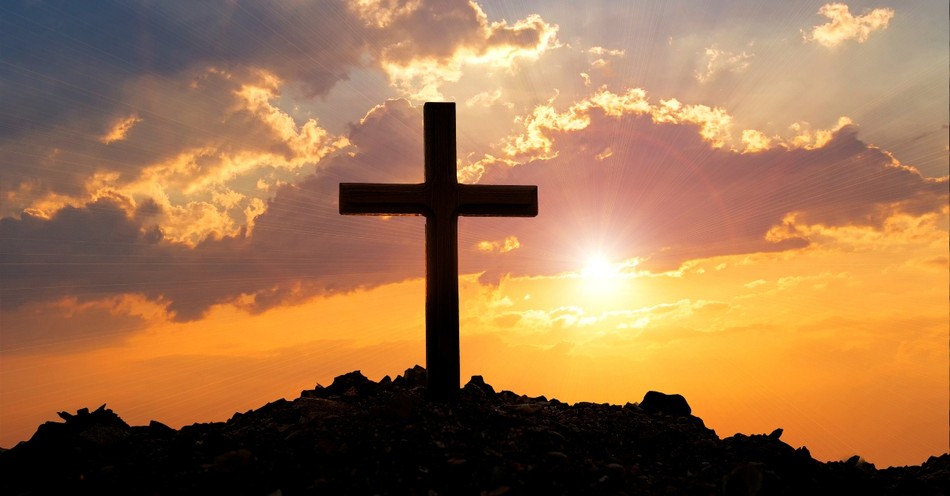
Easter, a vibrant tapestry of traditions and meanings, celebrates renewal and hope. Originating from ancient pagan festivals welcoming spring’s arrival, it seamlessly intertwined with Christian beliefs commemorating Jesus Christ’s resurrection. Eggs, symbols of life’s beginning, evolved into Easter egg hunts and colorful decorations. The Easter Bunny, an emblem of fertility, delivers sweet treats, embodying joy and abundance. Across cultures, Easter signifies spiritual rebirth, unity, and the triumph of light over darkness. It’s a time for families to gather, share meals, and partake in age-old customs, fostering connections and a sense of community. Easter embodies the essence of rejuvenation and the promise of new beginnings.
Easter also symbolizes renewal, reflected in the natural world as it coincides with the onset of spring. The blooming flowers, longer days, and warmer weather all echo the theme of rebirth and rejuvenation. This connection to nature’s cycle reinforces the spiritual renewal that Easter brings, encouraging individuals to embrace new beginnings in their own lives. Traditions play a significant role in the Easter celebration. Church services, featuring joyous hymns and the retelling of the resurrection story, form the heart of the observance.
The lighting of the Paschal candle in many churches symbolizes the light of Christ returning to the world. Additionally, the sharing of Easter eggs, which represent new life, is a beloved custom. These eggs, often brightly decorated, are hidden for children to find, adding an element of fun and festivity.
Easter Symbols


Easter is rich with symbols carrying deep meanings. The Easter egg, representing new life and rebirth, is often dyed in vibrant colors or intricately decorated. The Easter Bunny, a beloved figure in many cultures, symbolizes fertility, hope, and the arrival of spring. Crosses, lilies, and lambs are also prevalent symbols, signifying sacrifice, purity, and renewal. These symbols, rooted in ancient traditions and religious beliefs, add layers of significance to the Easter celebration, reminding us of the timeless themes of life, death, and resurrection.
Easter Traditions Around the World
Easter is celebrated with diverse customs globally, showcasing the richness of cultural heritage. In Greece, the cracking of red-dyed eggs symbolizes Christ’s resurrection. In Spain, intricate processions depict religious scenes. Germany’s Osterbaum (Easter tree) adorned with eggs signifies fertility. Poland’s Śmigus-Dyngus involves water fights on Easter Monday. In the United States, Easter egg hunts and parades are common. Each tradition reflects unique beliefs and practices, yet collectively they underscore the universal themes of hope, renewal, and the triumph of light over darkness, uniting people across borders in shared celebration.